
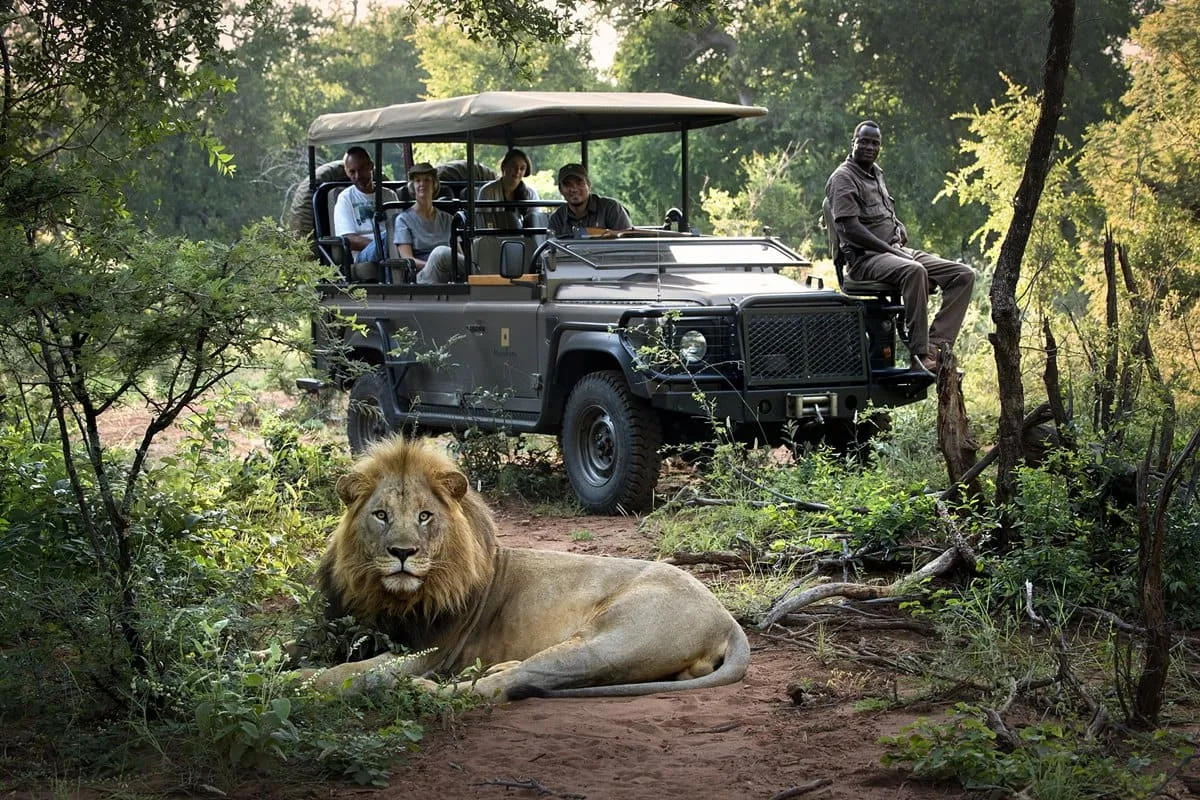
Kenya safari prices range from simple camps to private lodges, and a headline rate can hide important extras. This guide sets out typical price bands by travel style, the effect of season, and the fees that often change the final total. Current price bands are on our full tour list.
Budget Camping Safaris and What They Really Cost
Budget camping safaris are the most affordable way to see Kenya’s wildlife. Expect to pay roughly 150 to 250 dollars per person per day on a shared group departure. That fee usually covers a basic tent or simple camp bed, meals, park entry, and a seat in a shared safari vehicle. Facilities are simple, with shared bathrooms in many camps. Travelers who accept less comfort still see lions, elephants, and the Mara plains. The trade-off is larger groups, longer drives, and fewer chances for private game viewing or flexible schedules.
Mid-Range Lodges and Tented Camps
Mid-range safaris sit between roughly 300 and 500 dollars per person per day and suit most first-time visitors. You get a comfortable lodge room or permanent tented camp with private bathrooms, hot water, and good food. Game drives usually take place in a private or small-group vehicle with a trained guide. Locations are often closer to wildlife areas, which saves time on the road. This tier offers the best balance of comfort, access, and cost, and it is where many travelers find the strongest overall value for their money.
Luxury Lodges and Private Conservancies
Luxury safaris start near 700 dollars per person per day and can pass 1,500 in peak season. For that price, you stay in elegant lodges or exclusive tented camps, often inside private conservancies with fewer vehicles and strict visitor limits. Guests enjoy night drives, walking safaris, and personal guides that are rarely allowed inside national reserves. Meals, drinks, and laundry are usually included. The experience is quiet, exclusive, and deeply personal. Travelers who value privacy, service, and unhurried wildlife encounters often feel the higher cost is justified by what they gain.
How Season Changes Your Safari Price
Timing has a major effect on cost. Peak season, from July to October, coincides with the Great Migration in the Maasai Mara, and lodges often raise rates by 30 to 50 percent. The green season, from April to May, brings the lowest prices, though some camps close and rain can slow travel. Shoulder months such as June and November offer a useful middle ground, with fewer crowds and reasonable rates. Booking early secures better rooms and prices, especially for families and groups that need several rooms at the same lodge.
Park Fees, Flights, and Other Costs
Many travelers forget that park fees can be a large part of the bill. Entry to the Maasai Mara costs about 100 dollars per adult per day in low season and 200 in peak season, and other parks charge similar amounts. Domestic flights between parks add 200 to 400 dollars per person, while private transfers and conservation levies raise totals further. Always check whether your quote includes fees, taxes, and tips. A low headline price that leaves these items out can quickly become more expensive than a fully inclusive offer.
Combining Kenya with Neighboring Countries
Some visitors want more than one country, and East Africa safari packages make that easy. Pairing Kenya with Tanzania lets you follow the migration across the Mara and Serengeti, while adding Uganda or Rwanda brings gorilla trekking. Costs rise because of extra flights, border logistics, and permits, and gorilla permits alone can exceed 700 dollars. Multi-country trips need a longer stay to feel relaxed. If time and budget allow, this option delivers variety that a single destination cannot, but it demands careful planning and a realistic cost estimate.
Setting Your Budget
Price bands help you judge a quote, but the inclusions decide the real cost. Set a realistic budget, compare what each package covers, and confirm the current fees before you commit.
